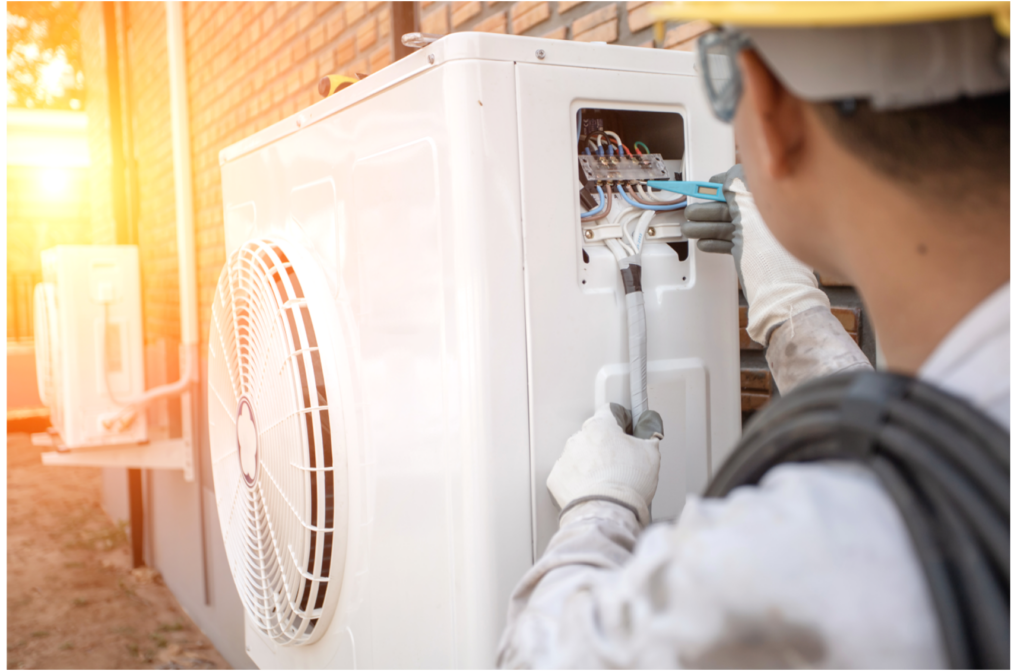
As part of its commitment to achieving net-zero emissions by 2045, the Victorian Government sought to enable the transition of residential energy consumption away from natural gas toward electricity. With household gas usage accounting for a significant portion of the state’s carbon emissions, the Department of Transport and Planning (DTP) engaged Energeia to analyse the economic and practical feasibility of various residential electrification policy options. The objective was to determine the least-cost electrification pathways that would reduce emissions while minimizing costs and disruptions for households, industry, and energy networks.
The Challenge of Residential Gas Usage in Victoria
Victoria has historically relied on natural gas for residential heating, cooking, and water heating. However, with rising concerns about carbon emissions and energy security, the state government has prioritized the transition to all-electric homes. This shift aligns with the broader Gas Substitution Roadmap, which outlines strategies to reduce household dependence on gas while ensuring affordability and reliability for consumers. Key challenges in this transition include upfront costs for households, potential supply constraints for electric appliances, and the impact on gas and electricity networks.
Energeia worked closely with DTP to develop and evaluate multiple policy pathways aimed at accelerating household electrification. Using its proprietary building electrification tool, Energeia conducted comprehensive data collection, financial modelling, and impact assessments for different electrification scenarios. The tool enabled detailed analysis of lifetime costs for electric appliances versus gas alternatives, forecasting of appliance uptake, and assessment of industry capacity to meet future demand. The study also incorporated a benefit-cost analysis (BCA) to evaluate the impact on households, energy networks, and the broader community.
Key Findings from Energeia’s Analysis
Energeia’s analysis revealed that, despite higher upfront costs, switching from gas to electric appliances results in lower lifetime costs for households due to greater efficiency and lower operational expenses. The study found that all-electric homes benefit from lower energy bills over time, with space heating, water heating, and cooking offering significant savings compared to gas alternatives. Additionally, the research highlighted supply chain constraints, particularly regarding qualified installer equipment availability, emphasizing the need for a phased transition strategy.
Policy Implications and Recommendations for a Phased Transition
From a policy perspective, the analysis found that a gradual approach combining incentives with future gas bans was more feasible than immediate bans, as it allows supply chains and workforce capacity to adapt. The findings also demonstrated that stronger electrification policies deliver higher net benefits and emissions reductions, reinforcing the importance of policy design in achieving Victoria’s climate goals.
The Role of Government in Supporting the Transition
Energeia’s findings have provided DTP with a robust evidence base to shape future electrification policies. The insights from the study are helping inform government decisions on financial incentives, appliance standards, and gas phase-out timelines. By identifying the most effective and cost-efficient pathways, Energeia’s work supports Victoria’s efforts to decarbonize the residential sector while maintaining affordability for households.
DTP is now incorporating the study’s insights to refine electrification policies, assess the impact of proposed regulations, and engage with stakeholders across the energy and housing sectors. The government is also leveraging the findings to design targeted incentives that encourage households to transition to all-electric appliances sooner while ensuring industry readiness.
Energeia’s Contribution to Victoria’s Net-Zero Goals
Energeia’s expertise in electrification policy analysis and demand modelling has played a critical role in guiding Victoria’s residential energy transition. By delivering data-driven insights and strategic recommendations, Energeia has helped the Victorian Government identify practical pathways to achieving its net-zero targets while supporting consumers through the transition.